


Polarized Glasses vs. UV Protection Glasses: The Key Differences
Updated on May 21st, 2026
Published on November 26th, 2024
 Canada

This article will cover the topic of polarization vs. UV protection, comparing the key differences and main advantages and disadvantages of polarized sunglasses and optical glasses versus UV protection sunglasses. Polarized glasses are defined as lenses designed to filter light and reduce glare, making them a suitable choice to use for outdoor activities during bright and sunny conditions. Polarized lenses are manufactured with a chemical film either applied onto the lens or built into the lens material. The main benefits of polarized lenses can include glare reduction and increased sharpness and clarity of images. UV protection glasses are glasses with either UV protection embedded in the material of the lens or coated over the lens. General-purpose sunglasses may be capable of blocking 60% to 92% of visible light and UVA rays, but they must block 95% to 99% of UVB rays, according to Health Canada.
What Do Polarized Glasses Mean?
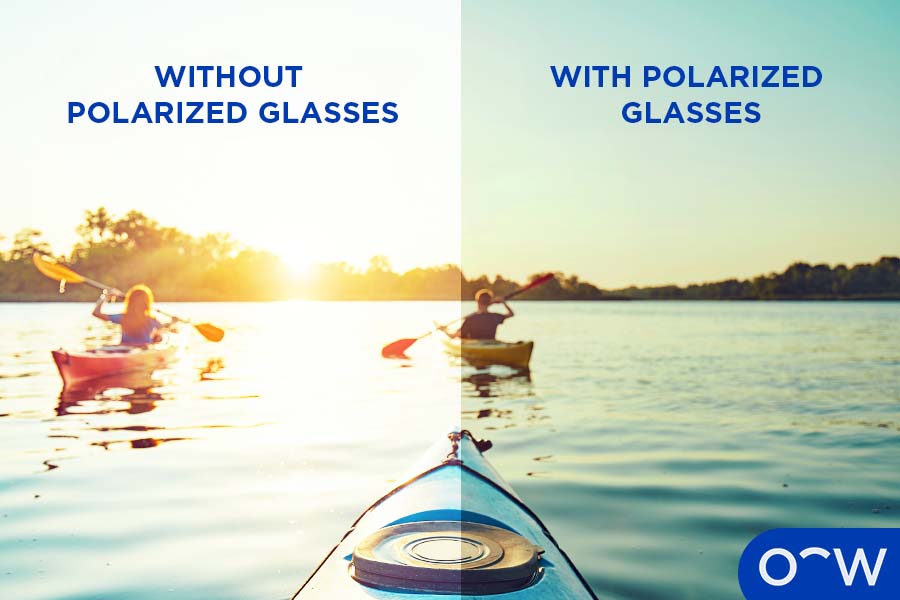
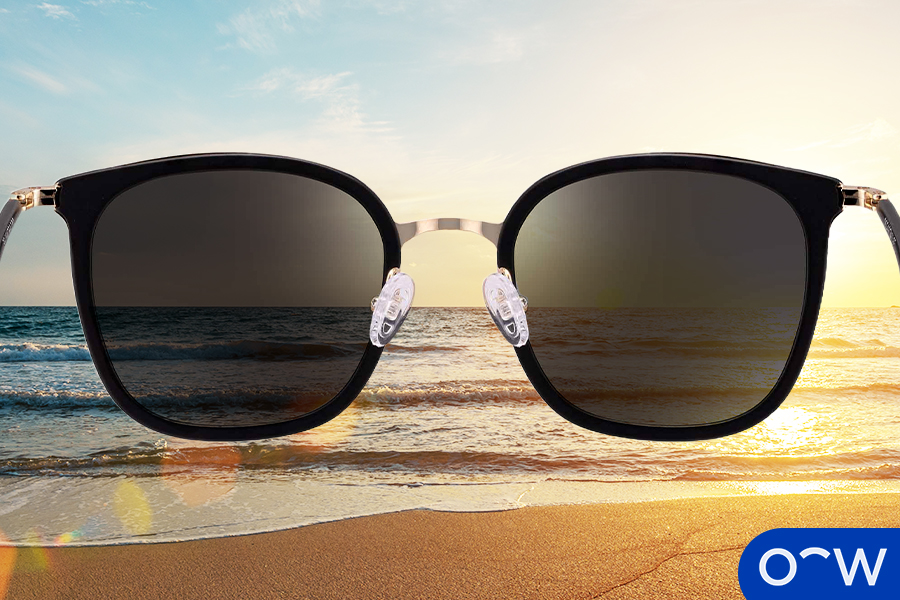
Polarized glasses refer to glasses with polarized lenses, which help lessen the amount of light that can enter the eye through a filter built into the lens material or as a coating over the lens. Polarized glasses can improve the quality of images during bright and sunny conditions. Glare can occur when light is reflected off surfaces like water, snow and windows.
How Do Polarized Glasses Work?
Polarized glasses work by impeding an amount of scattered light that typically reflects off surfaces at different angles. The long-chain molecule on polarized lenses acts as a filter that only allows vertically reflected light to reach the eyes. The material used in polarized lenses is a film of polyvinyl alcohol that is heated and stretched. Polarized sunglasses are able to maintain their polarization unless the lenses are damaged, so it is important to take care of them. You can take care of your polarized sunglasses by cleaning them with a microfibre cloth and a lens cleaner. Be sure to gently wipe the lenses to prevent scratching them.
What is the Primary Purpose of Polarized Glasses?
The primary purpose of polarized glasses is to prevent excessive light and glare from obstructing vision and causing eye strain. They can improve the clarity and sharpness of images by reducing how much light can pass through and increasing contrast. Polarized glasses may be a suitable option for people who engage in outdoor activities out on the water, snow or are frequently driving during bright and sunny conditions.
What is the Importance of Polarized Glasses?
The importance of polarized glasses is their function of hindering glare and excessive light from reaching the eyes, which can potentially cause eye strain and obstruct your vision. Glare can commonly occur, especially during sunny conditions while driving, while out on the water and in snow. Long periods of exposure to overly bright light may accumulate as eye damage over time.
What is the Advantage of Polarized Glasses Over UV Protection Glasses?
The advantage of polarized glasses over UV protection glasses is their capability to reduce excessive light and glare and increase contrast, which can enhance vision sharpness and clarity. Impeding glare and excessive brightness may provide more comfort and help prevent eye strain.
What Do UV Protection Glasses Mean?
UV protection on sunglasses means the lenses are built to protect your eyes from the sun's ultraviolet rays. UV light is a type of radiation that is invisible to the human eye and measures around 290 to 320 nanometers. UV light from the sun is composed of both UVA, which has longer wavelengths and UVB, which has shorter wavelengths. Both are considered serious health concerns, as they can affect your skin, eyes, and immune system, according to HealthLink British Columbia. UV protection glasses are typically made using polycarbonate lenses or Trivex, known as high-index plastics, and are both capable of providing 100% UV protection.
How Do UV Protection Glasses Work?
UV protection glasses work through the coating that can either block, reflect or absorb UVA and UVB rays, which hinders them from reaching the eyes and causing long-term damage. UV protection glasses can commonly be made using polycarbonate or Trivex material, which is more durable than most regular plastics used for lenses. Polycarbonate and Trivex are the typical options for safety glasses and may be capable of blocking 100% of the sun's UV rays.

What is the Primary Purpose of UV Protection Glasses?
The primary purpose of UV protection glasses is to protect the eyes from harmful UV rays emitted from the sun. UV rays from the sun may be harmful and contribute to the risk factor for skin cancers, according to the Canadian Centre for Occupational Health and Safety. Therefore, it is important to practise steps such as wearing a hat and UV protection glasses to minimize excessive exposure to UV rays.
What is the Importance of UV Protection Glasses?
The importance of UV protection glasses lies in their capability in shielding the eyes from exposure to UV light rays emitted from the sun. Sunglasses should limit UVA and UVB rays, and consumers should look for UV400 or 100% UV protection on the label, according to the Canadian Association of Optometrists. UV absorption by or around the eye may contribute to cataracts, age-related macular degeneration, and cancer of the eye and eyelid, according to the Canadian Association of Optometrists.
What is the Advantage of UV Protection Glasses Over Polarized Glasses?
The advantage of UV protection glasses over polarized glasses is that they are equipped with protection against the sun's harmful rays. Polarized glasses are beneficial and may also offer UV protection, but only to certain levels. Therefore, if you are concerned about UV exposure, you may want to opt for glasses that have a UV protection label.
Which is Better, UV Protection or Polarization?
UV protection may be better than polarization, as protection against harmful rays may result in more long-term benefits than polarization. Polarized glasses can aid in reducing glare and increasing the contrast of images; however, conditions may not always cause excessive brightness. Even with a low UV level, when it's bright, and there is snow on the ground, you can get almost twice as much UV, according to Environment and Climate Change, Canada. It is recommended to wear UV protection sunglasses to help protect your eyes, according to Environment and Climate Change, Canada. However, both UV protection and polarization are hugely beneficial pieces of eye protection, and both should be used where possible.
What to Look For When Buying Polarized and UV Protection Glasses?
When buying polarized and UV protection glasses, it is important to look for sticker labels placed on the bottom corner of the lens that state UV 400 protection or that the glasses are polarized or as advised by staff if you are in-store. At Oscar Wylee, we offer a range of different lens options to suit your visual needs, including UV protection.
Do Polarized Glasses Have UV Protection?
Polarized glasses may also feature UV protection; however, they may not offer more protection than UV protection glasses. Recent polarized glasses models now include UV protection, but it may be helpful to ensure this by looking for a sticker label or confirming with staff in-store.
Is 100% UV Protection Lenses as Good as Polarized Lenses?
No, 100% UV protection lenses are considered better than polarized glasses. UV protection glasses have a coating on the lens or are built into the lens material that functions by absorbing or reflecting UV light. Polarized glasses may not always include UV protection, and if they do, they may only offer minimal levels of protection.
Is it Recommended to Wear Polarized Sunglasses All the Time?
No, polarized sunglasses are not recommended to wear all the time as they reduce how much light reaches the eyes; therefore, they may cause poor sight during low-light conditions. Polarized sunglasses are best to wear when partaking in outdoor activities during sunny conditions, especially when out on the water or in the snow. They can provide a clearer vision when it is overly bright, as they are capable of enhancing the contrast of images.
Is It Suggested to Wear UV Protection Glasses All the Time?
Yes, it is commonly suggested to wear UV protection glasses all the time when outside, as UV light is always present and damage may build up over time. UV light is capable of infiltrating the eye more easily than visible light, increasing the risk of developing eye problems, according to the Ontario Association of Optometrists.
Do Both Polarized and UV Protection Protect Eyes From Blue Light?
Yes, polarized and UV protection glasses may be effective in protecting the eyes from blue light due to their intended functions. Polarized glasses can help block a certain amount of light from reaching the eyes, which may also include blue light. UV glasses may also provide some protection against blue light, as they can impede up to 400 nm of light wavelengths according to S. A. Giannos et al.'s research paper titled 'Spectral Evaluation of Eyeglass Blocking Efficiency of Ultraviolet/High-energy Visible Blue Light for Ocular Protection', published in 2019.
Can I Buy Prescription Polarized Sunglasses Online?
Yes, you can buy prescription polarized sunglasses online. Most websites for optical eyewear will offer the option to purchase prescription sunglasses and the option to add on polarized lenses.
Read Polarized Glasses vs. UV Protection Glasses: The Key Differences in other Oscar Wylee regions and their languages.
Canada