


Do Polarized Sunglasses Block Blue Light?
Published on December 17th, 2024
 Canada


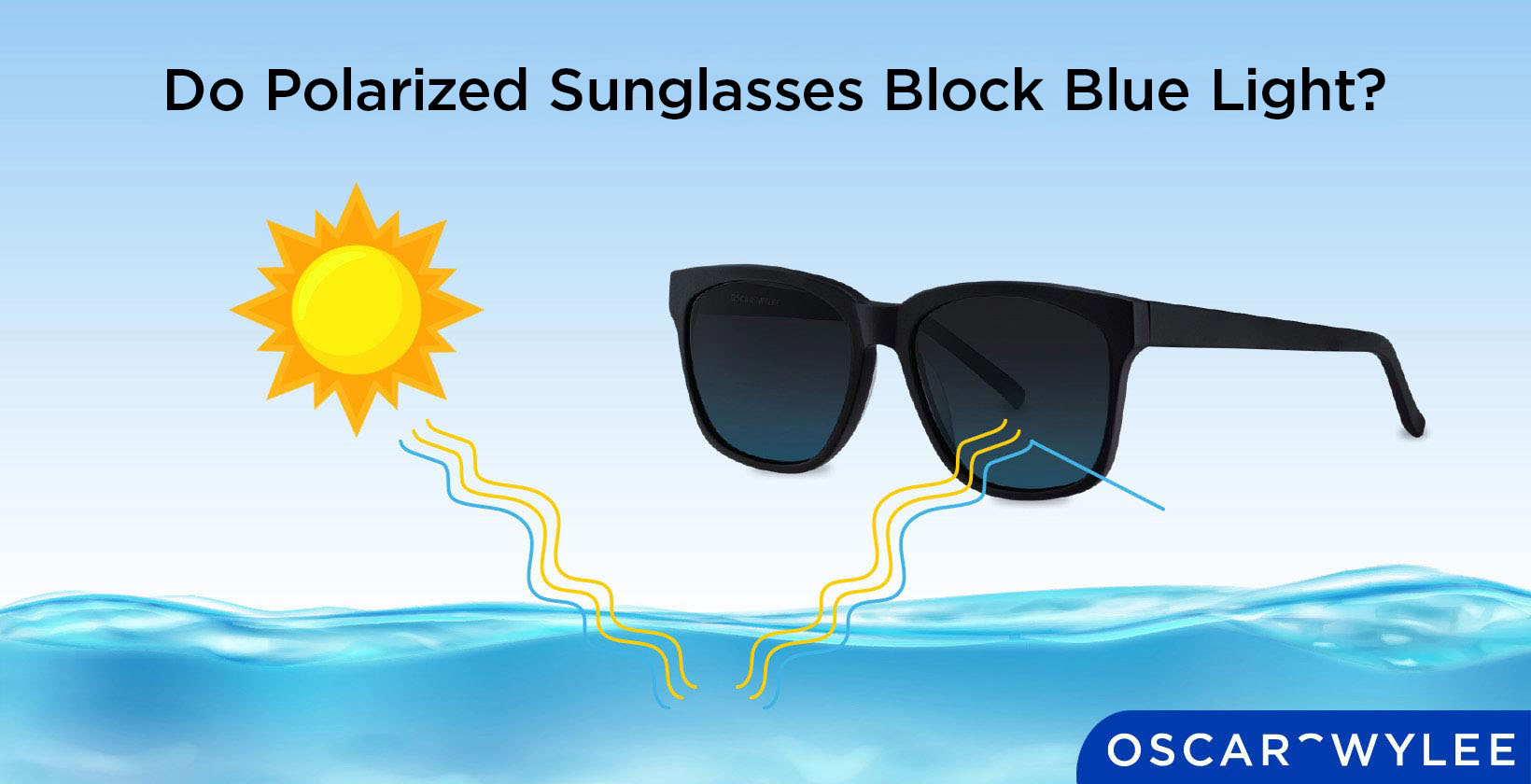
Yes, polarized sunglasses may be able to block blue light when outdoors depending on the particular lens coating and only to certain degrees. Polarized lenses are created by coating the lenses with a certain chemical. The chemical used on polarized sunglasses is laminated with a special pattern that vertically blocks any reflected horizontal light from flat reflective surfaces. The only amount of light that is able to pass through polarized lenses are light rays that have bounced off vertically. As a result, only a reduced amount of light can fit through, which causes images to appear darker than they do through regular sunglasses according to the American Academy of Ophthalmology. Polarized sunglasses were invented in 1929 by a Harvard University student, Edwin Land according to Mivision. Glare can occur when light waves reflect off surfaces such as bodies of water, snow, or shiny and smooth surfaces. According to TheraSpecs and Total Vision, most sunglasses, including polarized sunglasses, may be effective in blocking blue light and offer protection from UV rays and glare. However, it is important to note that not all sunglasses and polarized sunglasses offer equal levels of protection. Oscar Wylee offers polarized sunglasses that provide good UV protection and includes an anti-reflective coating.
What are Polarized Lenses in Sunglasses?
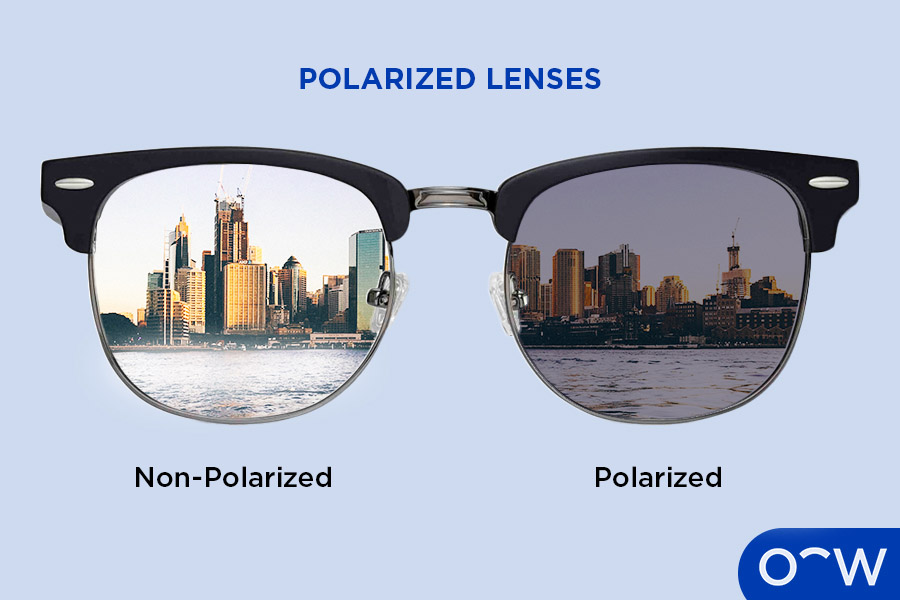
The polarized lenses in sunglasses have a special coating that is designed to reduce light, in turn making the appearance of images darker but also clearer in detail. The answer to what are the chemicals used for polarising sunglasses lenses is heated PVA material that is stretched to create a long chain molecule. PVA stands for polyvinyl alcohol which is an odourless, colourless synthetic polymer that can be dissolved in water. The long chain molecule is vertically positioned along the lens in a single direction, similar to blinds on a window, according to Dave Barton. This sheet is then laminated between two high-quality lenses with an injection mold. The answer to how does the chemical’s molecules that are lined up for blocking sunlight in polarized sunglasses work is that they are essentially like blinds on your sunglasses. These ‘blinds’ only allow vertical light rays to reach your eyes.
How Do Polarized Sunglasses and Lenses Work?
Polarized sunglasses and lenses work by blocking some of the scattered light that normally reflects off surfaces at different angles. The long chain molecule on polarized lenses functions as a filter that helps only vertical light to pass through. The material used is a film of polyvinyl alcohol that is heated and stretched. Polarized sunglasses are able to maintain their polarisation unless the lenses are damaged, so it is important to take care of them. You can take care of your polarized sunglasses by cleaning them with a microfibre cloth and a lens cleaner. Be sure to gently wipe the lenses to prevent scratching them.
How Do Polarized Sunglasses Block Blue Light?
Polarized sunglasses may be able to block blue light from the sun to certain degrees, depending on the level of protection they offer against visible light. Polarized sunglasses can block horizontal light and as a result, can potentially block a certain amount of blue light, according to Total Vision and the National Library of Medicine. However, polarized glasses are specifically designed to reduce glare, especially from surfaces such as water, glass and snow. Consequently, although impeding more light from reaching the eyes may mean protection from blue light, it is uncertain how much blue light can be blocked. According to the National Library of Medicine, most sunglasses have plastic (polycarbonate or Trivex) lenses which can naturally protect the eyes from UV light. The absorption rate of UV radiation for most sunglass lenses is 400mm, which is in accordance with the cutoff for the Australian/New Zealand standard.
Is it Bad to Wear Polarized Lens Glasses All Day?
Yes, it may be bad to wear polarized lens glasses all day. Polarized glasses hinder a significant amount of light from reaching the eyes, therefore, they are not suitable for driving at night or in low light conditions. They can be worn every day in sunny conditions, especially for those who go fishing, golfing, boating or spend their time in the snow. It is not advisable to use polarized glasses when looking at LCD screens as they can alter the colour of LCD screens, making them look either black or darkened according to the American Academy of Ophthalmology. LCD screens can include cell phones, car dashboards and ATM machines.
What are the Advantages of Polarized Sunglasses?
The advantages of polarized sunglasses are reduced glare, better display of colours, clearer vision and the option to add them to many different styles of sunglasses. The advantages of polarized sunglasses are listed below.
- Reduced Glare: Polarized glasses can aid with reduced glare, especially in circumstances where you may be driving with the sun shining directly at your windshield. They are also suitable for outdoor activities out on the water or in the snow.
- Better Display of Colours: Polarized glasses may be able to result in a better display of colours due to their function of reducing scattered light. Blocking more light can help colours show more accurately.
- Clearer Vision: Polarized glasses can assist with clearer vision as the reduced light and glare can increase the contrast which will help objects and details appear sharper and more accurate in colour.
- Colour and Style Options: A polarisation filter can be added to any colour and style of frames, allowing you to choose the style you like best. However, your optometrist may advise frames that are best for polarisation.
What are the Disadvantages of Polarized Sunglasses?
The disadvantages of polarized sunglasses can include poor low-light visibility, the altered appearance of LCD screens and when conditions may require more light. The disadvantages of polarized sunglasses are listed below.
- Poor Low Light Visibility: Polarized sunglasses may not be suitable for low-light conditions and for night-time use due to how much light they block out.
- Altered Appearance of LCD Screens: Polarized sunglasses can alter the appearance of LCD screens as they can make them look darkened or completely black. LCD screens can include your smartphone, ATM machines and computer and television screens.
- When Conditions Require More Light: Polarized sunglasses may be disadvantageous when conditions require more light. There are some cases where glare or extra light is needed for safety such as driving on icy roads.
What are the Best Polarized Sunglasses?
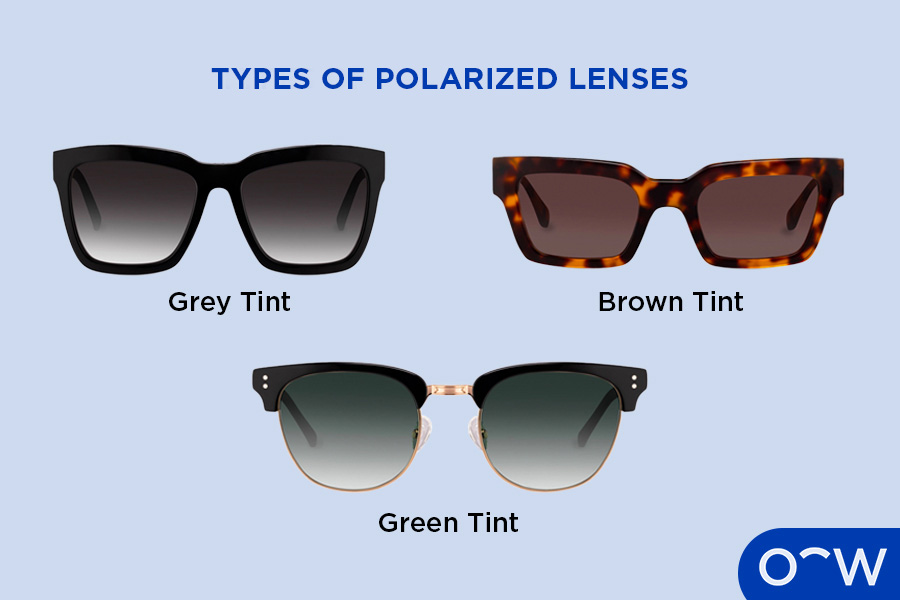
The best polarized sunglasses should have a clear label stating UV 400 or 100% protection from UV rays according to All About Vision. It is important for polarized sunglasses to include this as not all polarized sunglasses provide protection against UV rays. Oscar Wylee offers polarized lenses that offer UV 400 protection and are available in brown, grey and green tints.

How to Choose the Best Polarized Sunglasses?
Choosing the best polarized sunglasses is important for when and how you may use them. Firstly, it is important to make sure they are labelled with either 100% protection from UV rays or UV 400. This is to ensure they effectively block out the right amount of UV light to properly protect your eyes. Secondly, consider your frequent activities and lifestyle. If you are an active person that frequents outdoor based activities or if you causally spend time outdoors or prefer to stay indoors. This can affect how much you want to spend on a pair of polarized sunglasses and the level of durability you require.
Does Face Shape Matter for Choosing a Polarized Sunglasses Frame?
Yes, face shape can matter when choosing a polarized sunglasses frame. There are certain frames that are more suited for each face shape, therefore, it can be beneficial to choose frames according to your face shape. You can determine what face shape you have based on your particular facial features and dimensions, which you can read more about in our best glasses for different face shapes article. The most common frame shapes are rectangle, square, oval, round and cat eye. For round, oval, and diamond face shapes, rectangle frames are most suited. For square, diamond and pear face shapes, oval frames are recommended. Square glasses suit heart, oval and round face shapes. Cat eye glasses suit diamond, pear and round face shapes. For rectangle, square and pear face shapes, round glasses are best suited.
How Do Polarized Sunglasses Protect Eye Health?
Polarized sunglasses protect eye health by blocking horizontal light waves which can cause glare and excessive light reflection. Polarized sunglasses can protect the eyes against UV rays, given that they are labelled with either 100% protection from UV rays or UV 400. Reducing glare and excessive light reflection may be able to prevent eye strain and irritation that can occur from too much light reaching the eyes. Learn more about how you can keep your eyesight healthy.
When to Use Polarized Sunglasses?
Polarized sunglasses can be used when you are driving and the sun is shining directly in your eyeline. Polarized sunglasses may also be used during outdoor activities during sunny conditions, especially when you are out on the boat or out in the snow. Polarized sunglasses may be beneficial for individuals who frequently partake in outdoor activities, especially watersports or winter sports. The answer to when to not use polarized sunglasses is during the use of devices with liquid crystal display (LCD) screens, which include televisions, computer monitors, most smartphones and some car dashboard controls. It is also strongly advised not to use polarized sunglasses during low light conditions and during night.
What are Polarized Lenses For?
Polarized lenses are used for the purpose of eliminating glare and excessive light reflection that can be brought on by sunny weather. Polarized lenses specifically impede light waves that are horizontally reflected from surfaces that are shiny or smooth. The reason for needing to reduce glare is due to the potential irritation, discomfort or eye strain that can occur when our eyes are exposed to excessive light.
What are the Types of Polarized Lenses?
The types of polarized lenses are polarized lenses with laminated film and polarized lenses with thin film according to Lensology and Sport RX. The types of polarized lenses are listed below.
- Thin Film: Polarized lenses that are made with a thin film that is coated on one side of the lens. These may result in a film thickness of only 0.75mm and are categorised as a lower quality option of polarized lenses.
- Laminated Film: Polarized lenses with laminated film in between the lens material may result in a thicker film of 1.1mm and is considered a higher quality option for polarized lenses.
How Do Polarized Lenses Protect Against Glare?
Polarized lenses protect against glare with their coating of long chain molecules that are positioned specifically to block out horizontally reflected light waves. Glare can occur when the sun is shining directly in your view of sight or when light is reflected off surfaces that are smooth or shiny. Glare can also occur during the night when driving past other cars that have their headlights or high-beam lights on, however, it is strongly advised not to wear polarized sunglasses in lowlight conditions or during the night as it can hinder your vision. You can read more helpful information about how you can protect your eyes against glare in our anti-glare (anti-reflective) glasses article.
How Do Polarized Lenses Work?
Polarized lenses work by reducing excessive brightness and glare during driving and outdoor activities. Polarisation can be added to sunglasses and cannot be removed afterwards. Polarized lenses are specifically for blocking excessive light and glare during the day. They are not intended for any other purposes.
What Are Polarized Lenses Not For?
Polarized lenses are not for nighttime use, when looking at LCD screens or during certain conditions when extra light may be helpful. Polarized lenses are not suitable to use during night as they are designed to block out a significant amount of light. Polarized lenses should not be used for blocking blue light from digital devices as they can change the colour of LCD screens. Additionally, polarized sunglasses may not be able to block the blue light from digital devices according to the American Academy of Ophthalmology. Although polarized lenses are able to provide protection against glare and excessive light, they are not for looking at the sun.
When to Choose Polarized Lenses Compared to When to Choose Tinted Lenses For Sunglasses?
It may be advisable to choose polarized lenses when you want to reduce glare or excessive light reflection. However, tinted lenses can offer different benefits, including reducing some glare depending on the colour of the lenses according to All About Vision. Blue or purple tinted lenses can offer enhanced colour perception, defined shapes and lines of objects and reduction of glare that can come from water and snow. Blue/purple lenses may be suitable for foggy or misty conditions according to Vision Direct. Red or pink tinted lenses can block blue light as well as improve depth of field and visibly clarify details of objects Red/pink lenses may be helpful for skiing and other winter sports. Brown tinted lenses can help increase brightness during cloudy conditions, filter blue light, and improve depth of perception.Brown/yellow lenses may be beneficial for indoor and outdoor sports such as golf or baseball. While different coloured tinted lenses can offer varying benefits and provide aid during different activities, polarized sunglasses may be more capable of eliminating harsh glare.
When to Choose Polarized Sunglasses Over Blue Light Blocking Glasses?
It may be best to choose polarized sunglasses over blue light block glasses when you are spending time outdoors or driving in sunny weather. Blue light blocking glasses are mainly intended for use when spending long hours looking at digital screens. However, polarized sunglasses may be able to block blue light emitted from the sun due to the amount of light it can block. Sunglasses without polarisation are capable of blocking blue light from the sun to certain degrees, therefore, either sunglasses or polarized sunglasses are both viable options. If you are concerned about blue light affecting sleep quality or quantity, blue light blocking glasses may be a helpful option as they are designed to either absorb or reflect blue light. Read our article for the best blue light blocking glasses.
When to Choose Polarized Sunglasses Over UV Blocking Glasses?
It is best to choose sunglasses that have both polarisation and UV blocking capabilities. In some cases polarized sunglasses are capable of providing protection against UV rays although it is important to note that not all polarized sunglasses offer equal levels of protection against glare and UV rays. Therefore, it is vital to ensure that when choosing polarized sunglasses, that they are clearly labelled with 100% protection from UV rays or UV 400.
The difference between UV light and blue light is their wavelength with blue light measuring at 400 to 495 nm and UV light measuring at 10 to 400 nm which is not visible to the human eye according to the Centre for Science Education. At Oscar Wylee, we offer polarized lenses that provide 100% protection against UV rays and are available in brown, grey and green. Read our best types of UV sunglasses article to learn more about options for blocking UV.
What are the Other Types of Sunglasses Lenses Besides Polarized Lenses?
The other types of sunglasses lenses besides polarized lenses include photochromic sunglasses and wraparound style sunglasses. Photochromic sunglasses also known as transition lenses are a good option for protection and function by darkening in response to UV rays. Photochromic have a coating that causes them to darken when exposed to direct sunlight with the darkness of the lenses increasing according to how many rays there are. Wraparound style sunglasses are another type of sunglasses that fit closely around the face and help to reduce the entrance of light that may come from the sides. Both photochromic sunglasses and wraparound style sunglasses are recommended options for suitable sun protection. At Oscar Wylee, we offer both photochromic lenses and wraparound style sunglasses.
Are Polarized Sunglasses Better Than UV Protection Glasses?
No, polarized sunglasses may not be better than UV protection glasses as polarized sunglasses are designed to help reduce glare and increase the contrast of images. However, conditions may not always cause excessive brightness and glare. UV protection glasses may be more beneficial as UV light is always present during the day, even in colder seasons. polarized sunglasses and UV protection glasses offer different benefits, especially depending on weather conditions. However, it is always recommended to opt for UV protection to prevent the risk of UV light damage over time.
Read Do Polarized Sunglasses Block Blue Light in other Oscar Wylee regions and their languages.
Canada