


Sunglasses Standard in Canada: Restrictions and Compliance
Published on June 26th, 2026
 Canada

Canada has no legally mandated federal legislation or third-party testing requirements for non-prescription sunglasses, according to the British Columbia Institute of Technology. However, guidelines are provided by authoritative bodies such as Health Canada and the Canadian Association of Optometrists, and most reputable sunglasses manufacturers often voluntarily adhere to international safety and quality standards such as those in the US, EU, and Australia. Health Canada recommends verifying UV protection, lens tint category, impact resistance, and polarisation before purchasing non-prescription sunglasses. The sunglasses categories in Canada include cosmetic (blocks up to 60% visible light), general purpose (blocks 60-92% visible light), and special purpose (blocks over 97% of light), according to Health Canada.
What are the Mandatory Standards for Sunglasses and Fashion Spectacles in Canada?
The mandatory standards for sunglasses and fashion spectacles in Canada include general health and safety standards outlined in the Canada Consumer Product Safety Act (CCPSA) and recommended by Health Canada, including UV protection recommendations, visual clarity, impact resistance, and labelling requirements, according to Health Canada. These standards for sunglasses and fashion spectacles are listed below.
- UV Protection Recommendations: UV protection recommendations by Health Canada advise that sunglasses should block both UVA and UVB rays.
- Visual Clarity: Lens categories refer to the different levels of the dark tint on sunglass lenses. This is required to help reduce the sunlight's brightness when outdoors.
- Impact Resistance: Impact resistance for glasses is defined as the material's ability to resist an intense amount of force that can occur when dropping or mishandling them.
- Labelling Guidelines: Labels and warnings for sunglasses must include the supplier or manufacturer's identification number, lens category number and usage information.
1. UV Protection Recommendations
UV protection requirements are a part of the mandatory standards for sunglasses and fashion spectacles in Canada to help protect the eyes from UV light damage. The standard for sunglasses are required to prevent between 280 and 400 nanometres of UV light from reaching the eyes, according to Health Canada. This helps ensure that individuals can effectively protect their eyes from the sun's harmful light rays and prevent the damage that can accumulate over time.
2. Visual Clarity
Visual clarity in sunglasses relates to CCPSA's guidelines surrounding lenses being optically correct and distortion-free, according to Health Canada. Lenses must also be dark enough to ensure visual comfort, but not so dark that they may impair vision, especially while driving, according to Health Canada. Sunglasses also must not distort the colours of traffic lights when driving. Health Canada encourages neutral-tinted colours for this purpose, such as grey, brown, or slightly green tints.
3. Impact Resistance
Impact resistance is one of the key factors in the mandatory standards for sunglasses and fashion spectacles to prevent them from easily breaking. The sunglasses' material absorbs the shock from the impact and distributes the force, preventing chips, cracks or complete damage. The most commonly used materials for sunglasses lenses include polycarbonate and Trivex, as they are stronger than regular plastics.
4. Labelling Guidelines
Labelling guidelines for sunglasses in Canada are to include the product's identity, dealer contact information, and lens capabilities. To comply with Canadian consumer packaging standards, the product's common name (identity) must be presented in both English and French. The label must also state the name and postal address of the manufacturer or dealer (which can be in either language), and performance claims, such as UV claims, must be scientifically backed.
How are Sunglasses Categorized Based on UV Protection and Lens Tint?
Sunglasses are officially grouped by Health Canada into three primary classes: Cosmetic, General Purpose, and Special Purpose. To categorize these lenses precisely, most reputable manufacturers use a standard 0 to 4 scale based on Visible Light Transmission (VLT) derived from international standards. This scale determines tint darkness by the percentage of light that can pass through the lens. The darkness of a lens has no direct correlation to its ability to block UV rays, and consumers should never rely on the tint alone. Reading the official product label is always required to confirm genuine UV400 or 100% UVA/UVB protection, according to the Canadian Association of Optometrists. These internationally recognized categories are explained below.
- Category 0: Category 0 lenses relate to 80%–100% light transmission, which is clear or lightly tinted lenses (Health Canada's Cosmetic class).
- Category 1: Category 1 lenses relate to 43%–80% light transmission, which are light tints.
- Category 2: Category 2 lenses relate to 18%–43% light transmission, which are medium tints.
- Category 3: Category 3 lenses relate to 8%–18% light transmission, which are dark lenses ideal for bright summer days (Categories 1 through 3 satisfy Health Canada's General Purpose class).
- Category 4: Category 4 lenses relate to 3%–8% light transmission, which are very dark special-purpose lenses, good for extreme glare environments (Health Canada's Special Purpose class), but illegal for driving.
Why is Impact Resistance Important for Sunglasses and Spectacles?
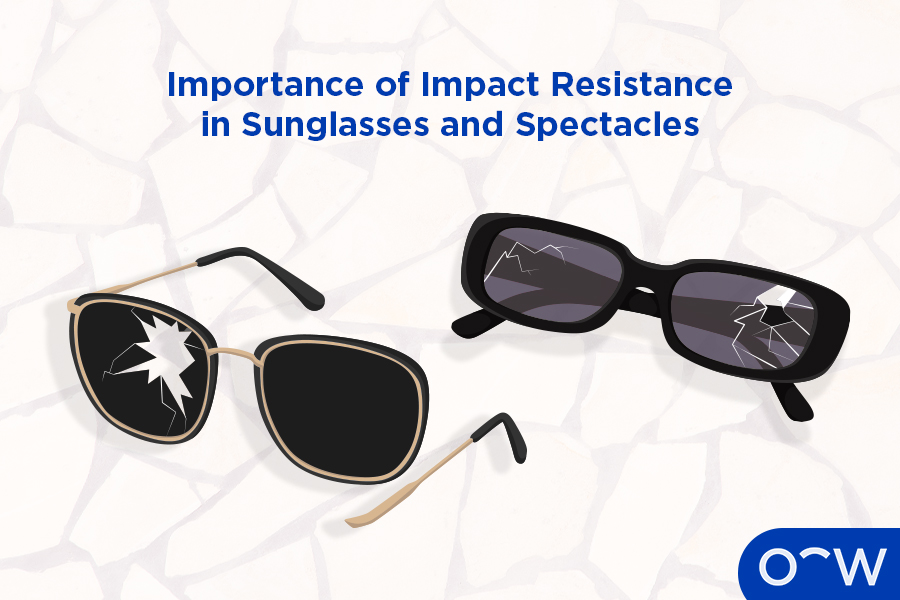
Impact resistance is important for sunglasses and spectacles to prevent them from being damaged easily when accidentally mishandled or dropped. Impact resistance is required for sunglasses and spectacles, especially for the protection of your eyes in case of flying debris or objects hitting your lenses. Most sunglasses are made out of certain materials, such as polycarbonate and Trivex, that help ensure their resistance to sudden and varying levels of impact.
How Can You Check if Sunglasses are UV400 Protected?
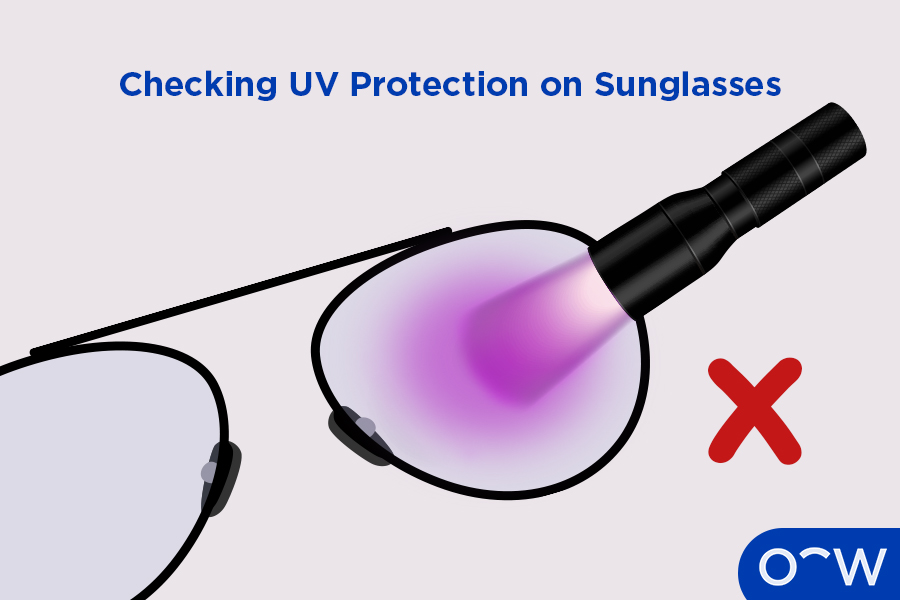
You can check if sunglasses are UV400 by seeing a label that states 100% protection against UV, or you can also have them checked by an optometrist. Checking if sunglasses feature UV 400 protection can be helpful in ensuring the most effective protection. The required range of protection for UV radiation is between 280 and 400 nanometres, according to Health Canada. Therefore, the level of UV protection for sunglasses is not always equal across all eyewear retailers. UV 400 Protection is the most optimal level of protection against UV light, as it can prevent UVA (315-400 nm) and UVB (280-315 nm) rays from reaching the eyes and causing short-term and long-term damage.
What Restrictions Apply to Using Sunglasses While Driving?
The restrictions that apply to sunglasses while driving involve provincial highway traffic safety laws regarding safe driving and impaired vision, according to Health Canada. During nighttime, wearing tinted sunglasses, dark photochromic lenses, and polarized lenses is strongly discouraged because they can obstruct your vision and reduce visibility. It is also highly advised for safety to take off your sunglasses when entering a tunnel, according to guidelines from the Government of Ontario, to prevent temporary blindness as your eyes adjust to sudden darkness.
What are the Penalties for Non-Compliance with Canadian Sunglasses Standards?
The penalties relevant to manufacturers for non-compliance with Canadian sunglasses standards can lead to recalls, stop-sale orders, Administrative Monetary Penalties (AMPs) ranging from $5,000 to $25,000 per day, and possible criminal charges or severe financial penalties regarding deceptive marketing, according to Health Canada.
How Can You Choose the Right Sunglasses for Different Activities?
To choose the right sunglasses for different activities, think about the fit, consider style and ensure the frame's durability. It is especially important to confirm with the optometrist or eyewear retailer that your sunglasses feature UV 400 protection to ensure you are equipped with the highest level of protection against the sun's harmful rays. This will help the optometrist in recommending the most suitable frames according to your activities and lifestyle. The steps to choosing different activities are listed below.
- Think about the fit: Think about the fit of the sunglasses and if they are comfortable on your face. They should feel snug behind the ears and temples but not cause pain. If you are in need of sunglasses for physical activities outdoors, wrap-around sunglasses may be more suitable. They prevent UV light rays from reaching over the top or from the sides of the frame. Polarised lenses may also be a recommended option to reduce glare and increase contrast of images.
- Consider the style: Consider the style of sunglasses according to the activities you take part in. For casual wear, you can select any style, colour and shape that you desire. For physical activities or sports, you may need to opt for a lightweight style that stays fitted on your face during frequent movement and fits more snugly across your face.
- Ensure the frame's durability: Ensure the frame's durability by selecting frames that are made from materials such as polycarbonate, Trivex, acetate or common alternative materials that are similar. This is important as it helps the frame to withstand pressure, wear or potential damage.
Does Canada have Strong UV Rays?
Yes, Canada experiences strong UV rays, particularly during the spring and summer, according to Health Canada. The UV index can reach high levels of 6-7, and southern regions may experience very high levels of 8-10. UV rays in Canada are more than strong enough to cause sunburn and long-term sun damage. It is still possible to get a sunburn on a cloudy day, according to Health Canada. UV-protective glasses are recommended by the Canadian Dermatology Association year-round.
Does Oscar Wylee Meet the Sunglasses Standards in Canada?
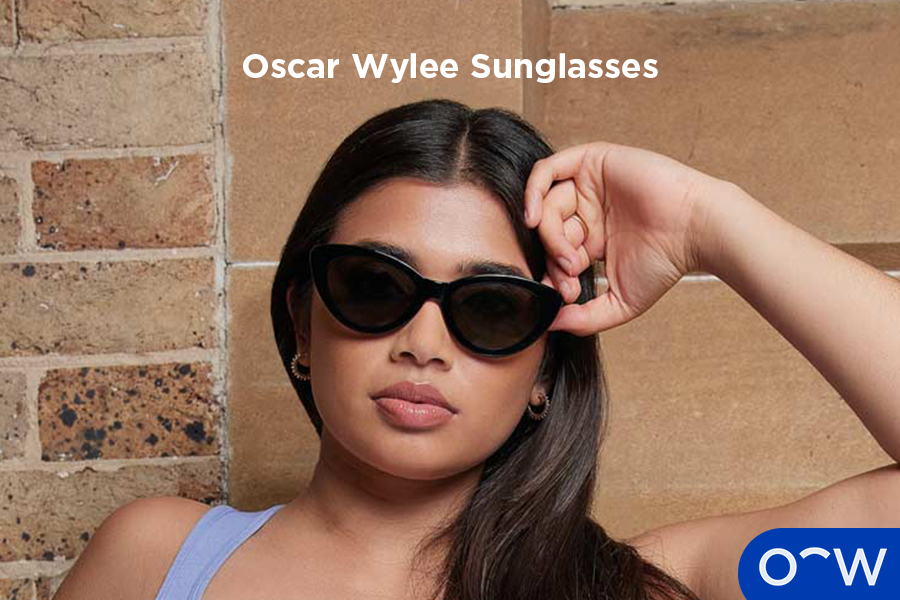
Yes, Oscar Wylee does meet the sunglass standards in Canada as they feature the mandatory components included in the sunglasses standard. Oscar Wylee sunglasses are designed to provide 100% UV protection (UV 400), which protects your eyes from harmful UV rays, and are made with materials such as CR39 and polycarbonate for optimal durability and impact-resistance.
Read Sunglasses Standard in Canada: Restrictions and Compliance in other Oscar Wylee regions and their languages.
Canada