


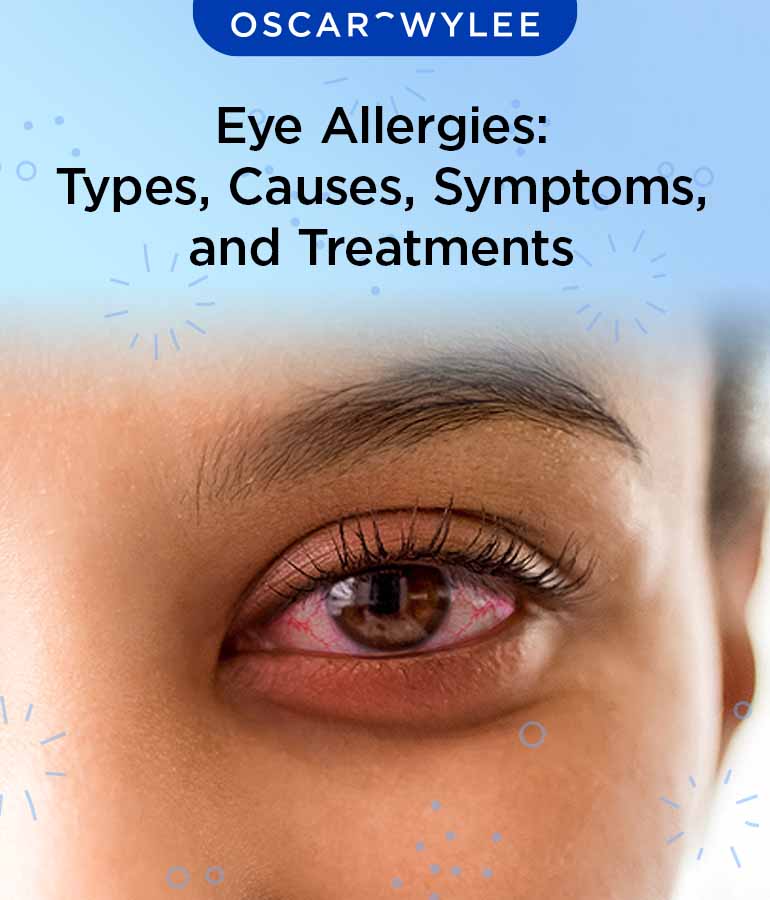
Eye Allergies: Types, Causes, Symptoms, and Treatments
Published on May 21st, 2024
 Canada

Eye allergies, also known as allergic conjunctivitis, are
a reaction the body has towards certain substances that directly make
contact with the eyes, such as pollen or pet dander. This substance then triggers an overreaction in the immune system,
causing symptoms typical of allergic reactions in the face and eyes. This
article will cover the eye allergies types, causes, eye allergies symptoms
and eye allergies treatments.
Types of eye allergies include
seasonal allergic conjunctivitis, which defines allergies triggered by
pollen or plant fibres, and atopic keratoconjunctivitis, which is a genetic
allergy that can have multiple triggers and occur all year round.
Eye allergies, or an allergy in the eye, have many different
causes, such as pollen, dust, pet dander or smoke, as well as genetic
reasons that can result in eyes that have an allergic reaction to certain
climates.
Symptoms of eye allergies include swelling, sneezing,
itchy eyes, red eyelids and eyes that are constantly tearing or watering.
Eye allergy treatments involve a variety of medications, such as oral
antihistamines, topical eye drops or allergy shots. These methods typically
involve reducing or blocking the creation of histamines, or preventing the
more uncomfortable symptoms of eye allergies.
What are Eye Allergies?
Eye allergies, also known as allergic conjunctivitis, is an eye condition in
which
the body has a reaction towards certain substances that
make direct contact with the eyes, such as pollen or pet dander. This
substance then
triggers an overreaction in the immune system, in order to expel the
substances as quickly as possible,
causing symptoms typical of allergic reactions in the face and eyes.
What are eye allergies?
Eye allergies are different
types of allergic reactions specific to the eyes that are either caused by
the presence of allergic substances, or by genetic conditions such as vernal
keratoconjunctivitis.
What are the Other Terms for Eye Allergies?
The other terms for eye allergies include the medical term. Eye allergies are medically known as allergic conjunctivitis, and are often referred to specifically as the type of allergic conjunctivitis the person with eye allergies is suffering from, such as seasonal allergic conjunctivitis or perennial allergic conjunctivitis. Eye allergies are also known as ocular allergies.
How are Eye Allergies Developed?
Eye allergies are developed
in reaction to a person's natural allergies and any substance,
whether constant or seasonal,
that could trigger an allergic response from the body's system.
Allergies are defined as a harmless or normal substance that creates an
overreaction in the body's immune system, due to a white blood cell called
the mast cell.
The mast cell can be found in the entirety of the
body and controls the release and production of certain chemicals that
assist the immune system. One of these chemicals is histamine, which assists
in keeping toxic, hostile or unwanted substances out of the body, such as
infections that could be caused by injury, but in reaction to a technically
harmless substance such as an allergen, will cause uncomfortable symptoms
such as puffy eyes, swelling, a runny nose and a feeling of nausea.
There are many reasons why allergies develop, but the most
common is a family history of certain types of allergies.
How Common are Eye Allergies?
Eye allergies are very common across the world. Unique types of eye allergies can affect different demographics depending on a range of factors, such as location and gender. According to Jordan Scott Masters, writing for the American Academy of Ophthalmology, eye conditions such as vernal keratoconjunctivitis occur most notably in hot and dry climates such as West Africa and disproportionately affect males under the age of 25.
What are the Types of Eye Allergies?
The types of eye allergies are perennial allergic conjunctivitis, vernal keratoconjunctivitis, seasonal allergic conjunctivitis, contact lens hypersensitivity, giant papillary conjunctivitis and atopic keratoconjunctivitis. The following are the types of eye allergies.
- Perennial allergic conjunctivitis: Perennial allergic conjunctivitis is a type of eye allergy that occurs year round and is triggered by substances such as dust mites or mould.
- Vernal keratoconjunctivitis: Vernal keratoconjunctivitis is a type of eye allergy where the eye has a severe allergic reaction as well as bumpy growth along the eyelids caused by seasonal allergies.
- Seasonal allergic conjunctivitis: Seasonal allergic conjunctivitis is a type of eye allergy caused by pollen in eyes and other spring allergens, such as grass.
- Contact lens hypersensitivity: Contact lens hypersensitivity is a type of eye allergy where the eye is showing symptoms of allergies due to wearing contact lenses.
- Giant papillary conjunctivitis: Giant Papillary conjunctivitis is a type of eye allergy where the eye shows symptoms of an allergic reaction as well as developing small bumps in the inside of the eyelids surface. Giant Papillary conjunctivitis is often related to extended contact lens usage.
- Atopic keratoconjunctivitis: Atopic keratoconjunctivitis is a type of eye allergy where due to a genetic condition called atopy, the upper and lower eyelids show symptoms of an allergic reaction.
1. Perennial Allergic Conjunctivitis
Perennial allergic conjunctivitis is a type of
eye allergy where an allergen that can be found all year round lands
directly in the eye, causing an allergic reaction.
Perennial allergic
conjunctivitis is different from other types of eye allergies because the
cause of the reaction can be found in the household or outside world all
year round. The substance that causes the allergies may be different for
everyone and the symptoms of perennial allergic conjunctivitis are milder
and less severe than seasonal allergic conjunctivitis.
Perennial allergic conjunctivitis is diagnosed by a doctor or
eye health professional examining the eyes and finding symptoms such as
redness, swelling or burning of the eyes as well as mild symptoms of other
allergic reactions, such as a runny nose or sneezing. A person’s history
of allergies and what causes their allergies may also be checked.
2. Vernal Keratoconjunctivitis
Vernal keratoconjunctivitis is a severe type of eye allergy and
allergic reaction where a
seasonal allergen lands directly in a person's eye and the person is
severely allergic to the substance.
Vernal keratoconjunctivitis is different from other types
of eye allergies because the symptoms of the allergic reaction are much
more intense and severe in the eye, and in some cases may lead to
permanent blindness if the condition is not properly treated, according to
the American College of Allergy, Asthma and Immunology.
Vernal
keratoconjunctivitis is diagnosed by a doctor or eye health professional
examining the eyes for symptoms, such as itching, tearing in the eye as
well as constant creation of a thick mucus, the sensation of there being
something in the eye, a sensitivity to light, and hard, round bumps being
clearly seen on the eyelid.
3. Seasonal Allergic Conjunctivitis
Seasonal allergic conjunctivitis, also known as SAC, is a
type of eye allergy that occurs when an allergen, a substance that
causes an overreaction in the body's immune system,
lands directly in the eye. Seasonal allergic conjunctivitis is
closely associated with hay fever and is most common during seasons of
high pollen.
Seasonal allergic conjunctivitis is different
from other types of eye allergies because it is specifically caused by
allergens that occur in spring and summer seasons and is most commonly
caused by grass and plant pollen instead of substances that can be found
all year round.
Seasonal allergic conjunctivitis is diagnosed
by a doctor or eye health expert examining the eyes for symptoms of SAC,
such as red or itching eyes, dark circles under the eyes, runny eyes or a
runny nose and other common signs of hay fever.
4. Contact Lens Hypersensitivity
Contact lens hypersensitivity is a type of eye allergy where
the usage of contact lenses is causing an allergic reaction. Contact lens hypersensitivity is caused by the proteins in the tears
binding to the surface of the lenses and irritating the conjunctiva.
Contact lens hypersensitivity is different from other types of
eye allergies because it is directly caused by the usage of contact lenses
or allergenic materials lining the eye.
Contact lens
hypersensitivity is diagnosed by a doctor or an eye health professional by
checking the eye for symptoms such as itching and redness of the eye,
excessive mucus release and uncomfortable lenses.
5. Giant Papillary Conjunctivitis
Giant papillary conjunctivitis, also known as GPC, is a form of eye
allergy where the inside of the eyelid begins showing the symptoms of an
allergic reaction, redness, itching or swelling, and bumpy sacs inside the
eyelid, called papules, begin forming.
Giant papillary
conjunctivitis is different from other eye conditions because
although it shares many symptoms and causes in common with contact
allergic conjunctivitis, such as a possible cause of the allergic reaction being contact lenses,
the reaction to the contact lenses is much more severe and if giant
papillary conjunctivitis is not treated, it
may result in permanent intolerance towards contact lenses or a
separate eye condition called ptosis, or drooping eyelids.
Giant Papillary conjunctivitis is diagnosed by a doctor or an
eye health professional by examining the eye for symptoms of an allergic
reaction, such as itching or redness, and also by examining the inside of
the eyelid to see if the surface is smooth or bumpy due to GPC.
6. Atopic Keratoconjunctivitis
Atopic keratoconjunctivitis is a type of
genetic eye allergy that can occur all year round. Atopic
keratoconjunctivitis is caused by a separate genetic condition called
atopy, which causes the immune system to produce an excess of antibodies
when the body reacts to the presence of an allergen. The people who suffer
from atopic keratoconjunctivitis are most often older men.
Atopic keratoconjunctivitis is different from other types of
eye allergies because it is a genetic condition that is directly tied to
atopy and its symptoms. Atopic keratoconjunctivitis also affects the lower
eyelid more noticeable than other conditions, such as vernal
keratoconjunctivitis. Atopic keratoconjunctivitis that is untreated may
lead to conditions such as keratoconus which will affect sight.
Atopic keratoconjunctivitis is diagnosed by a doctor or eye
health professional examining the eye and finding symptoms such as light
sensitivity, itching, burning eyes, red and swollen eyelids and tearing
eyes.
What are the Causes of Eye Allergies?
The causes of eye allergies are pet dander, pollen, mould, smoke and dust. The following are causes of eye allergies.
- Pet dander: Pet dander is a cause of eye allergies because pet dander may trigger a person's animal allergies if the pet dander comes into contact with the skin or eyes.
- Pollen: Pollen is a cause of eye allergies because the release of plant pollen triggers histamine release in the body.
- Mould: Mould is a cause of eye allergies because certain types of mould particles, such as penicillium, can be an allergen and will cause an allergic reaction if it makes contact with the eyes or skin.
- Smoke: Smoke is a cause of eye allergies because smoke particles may be an allergen that triggers an allergic reaction if the particle makes contact with the body or eyes.
- Dust: Dust is a cause of eye allergies because the many particles that make up dust may be considered an allergen by the body.
1. Pet Dander
Pet dander is defined as the microscopic flakes of dead skin that fall off
of household animals such as dogs or cats. Pet dander typically lingers or
sticks to surfaces and can linger in an area for four to six months.
Pet dander is a cause of eye allergies because
pet dander triggers the body's response to animal allergies if a
person is allergic to that animal. This creates the chemical histamine in
the system, which will cause red and watery eyes as well as welling of the
eyelids.
2. Pollen
Pollen is a yellow-coloured powder produced by plants that releases during
certain seasons in the year, with some seasons seeing a greater release of
pollen than others.
Pollen is a cause of eye allergies because
like many forms of allergens
the body believes it is a harmful substance and overreacts when
pollen comes into contact with the eyes or body, most noticeably releasing
a chemical known as histamine that causes swelling, redness and
watering in the eyes.
3. Mould
Mould is a type of fungal growth that occurs on organic matter that is
decaying or has been wet for an extended period of time.
Mould
is a cause of eye allergies because
the body may react to certain specific types of mould spores in the
air as the spores make contact with the eyes or skin. Not all types of
mould cause an allergic reaction, most commonly, mould allergies are
caused by mould types such as cladosporium or penicillium.
4. Smoke
Smoke is defined as visible particles, typically black or grey, in the air
made up of small pieces of carbon and other particles, that is caused as a
reaction to fire or other burning substances.
Smoke is a cause
of eye allergies because
smoke particles can cause irritation or an allergic reaction in the
eyes. Smoke causes eye allergies because some bodies may consider the
particles an allergen, which means that if smoke particles make contact
with the skin or eyes, the immune system will overreact and create the
chemical histamine in the body. Histamine causes swelling, watery and red
eyes among many other side effects.
5. Dust
Dust is a powdered collection of many different types of particles. The
source of these particles varies heavily and can come from skin flakes,
animal skin, dust mites, dead insects and many others.
Dust is
a cause of eye allergies because
one of the sources of the particles that make up dust may be an
allergen, and cause an allergic reaction in the body. Dust mites are also a
common allergy that can typically affect those already prone to hay fever
or seasonal allergies.
What are the Symptoms of Eye Allergies?
The eye allergy symptoms are itchy eyes, watery discharge, eye redness, burning eyes, experiencing a gritty or dirty feeling in your eye and swollen eyelids. The symptoms of eye allergies are listed below.
- Itchy eyes: Itchy eyes are a symptom of eye allergies and are caused by histamines irritating the eyes’ nerve endings.
- Watery discharge: Water discharge and watery eyes are symptoms of eye allergies and are caused by the body's reaction to the chemical histamine and by the eyes attempting to flush out irritants.
- Eye redness: Eye redness is a symptom of eye allergies caused by dilation of the blood vessels in the eye and possibly aggressive rubbing or touching.
- Burning eyes: Burning eyes and allergies’ eyes burning is a symptom of eye allergies and are caused by histamines creating inflammation and irritation of the nerves in the eye.
- Experiencing a gritty or dirty feeling in your eye: Experiencing a gritty or dirty feeling in your eye is a possible symptom of eye allergies and is caused by allergens landing in the eye or by allergy symptoms causing the eyelids to make direct contact with the eye in an uncomfortable way.
- Swollen eyelids: Swollen eyelids are caused by histamine making the eyelids swollen or inflamed.
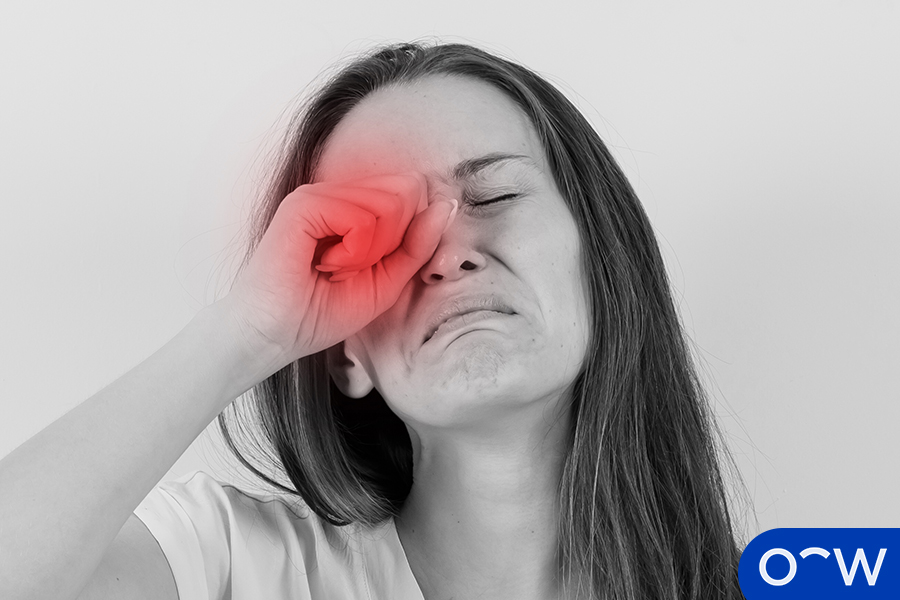
1. Itchy Eyes
Itchy eyes is a symptom of eye allergies where the eyes or the skin
around the eyes has an uncomfortable or irritating sensation that
creates a strong desire to itch or scratch the affected area.
Itchy
eyes becomes a symptom of eye allergies when
the body creates a chemical called histamine in response to
allergenic substances. Histamine causes the blood in the eyes to dilate, results in the
red appearance, and irritates the nerve endings in the eyes, which
causes them to water and feel itchy. Itchy eyes can also be caused by
inflammation on the eyelids or surface of the eyes.
2. Watery Discharge
Watery discharge from the eyes is a symptom of eye allergies where the
eyes are constantly watery or expelling and creating an excess of
tears.
Watery discharge from the eyes becomes a symptom of
eye allergies when the body creates a chemical called histamine
in response to an allergenic substance coming into contact with the
body.
Histamine creates watery eyes and affects the eyes nerve endings.
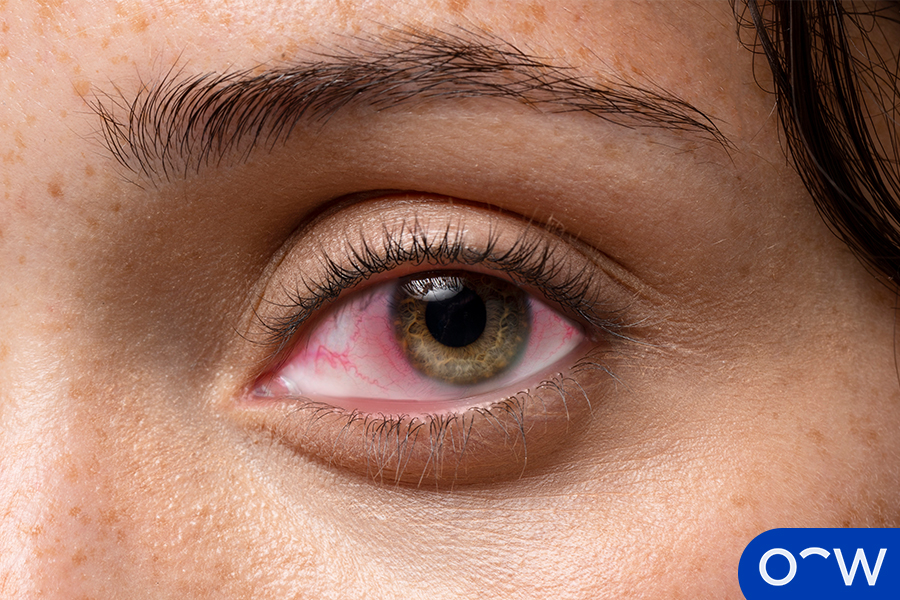
3. Eye Redness
Eye redness is a symptom of eye allergies where the eyelids and the
whites of the eye begin showing a clear red colour.
Red or bloodshot eyes
become a symptom of eye allergies
when the blood vessels of the conjunctiva are dilated due to an
allergic reaction. The redness itself may also be caused by damage from rubbing,
touching and itching an eye that is undergoing an allergic reaction.
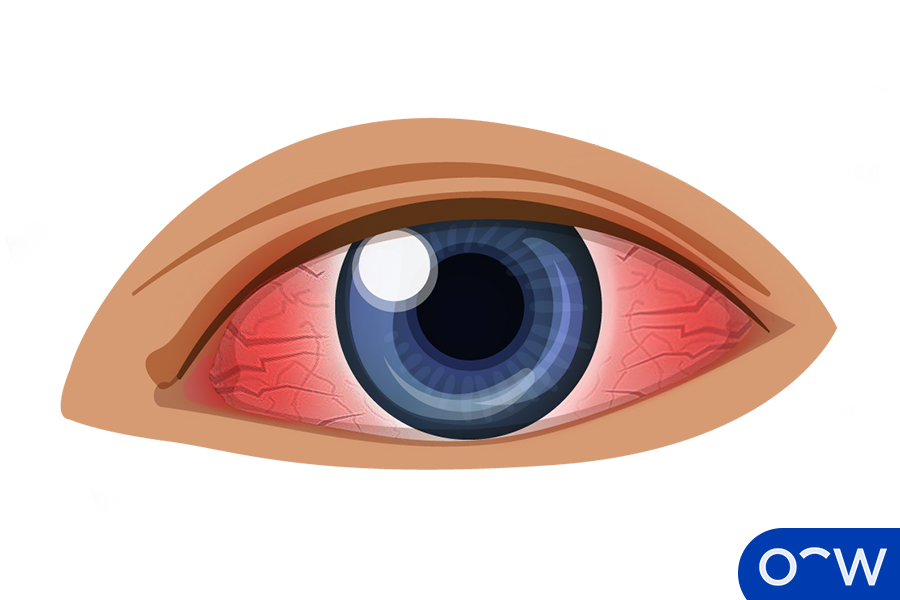
4. Burning Eyes
Burning eyes is a symptom of eye allergies where the eyes or eyelids
feel like they are inflamed and burning.
Burning eyes
become a symptom of eye allergies as
the chemical the body creates in response to allergic reactions, called histamine, irritates the nerve endings of the eye,
causing an uncomfortable burning sensation. A burning feeling may also
be the result of inflammation in the eyes and eyelids.

5. Experiencing a Gritty or Dirty Feeling in your Eye
Experiencing a gritty or dirty feeling in your eye is a symptom of eye
allergies where a person constantly has a sensation that there is a
foreign substance in their eyes and is repeatedly touching or rubbing
the eyes in order to get the substance out.
Experiencing a
gritty or dirty feeling in your eye becomes a symptom of eye allergies
when an allergen falls into the eyes.
This causes the body to see an otherwise harmless or imperceivable
particle as a threat or danger, which is why there is a feeling that it must be scratched or
expelled. Another reason eye allergies may make a person feel like
there is something stuck in their eye is the eyelid swelling caused by
allergies making direct contact with the eyes in an uncomfortable way.
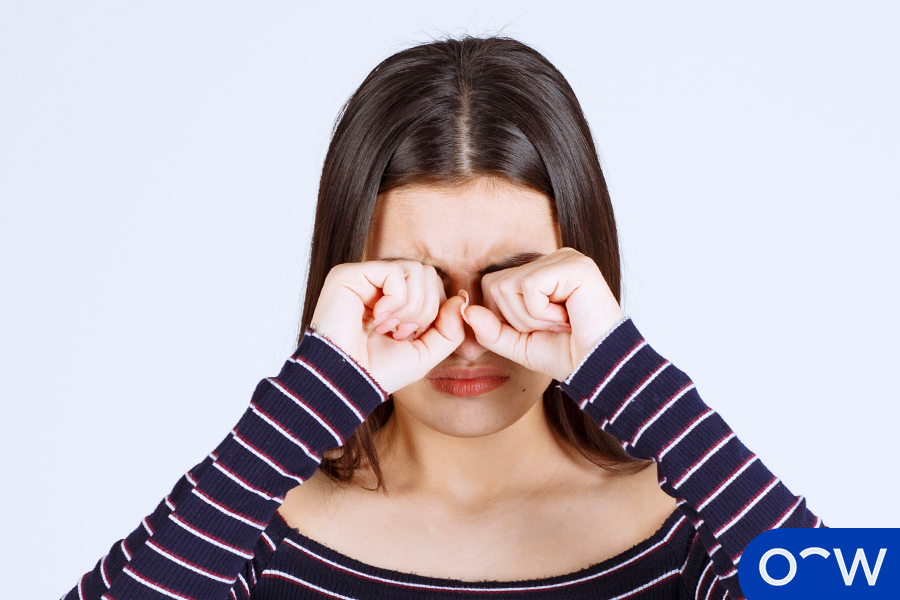
6. Swollen Eyelids
Swollen eyelids are a symptom of eye allergies where the upper or
lower eyelids become puffed out and swollen, possibly on just the
upper or lower eyelids, or both.
Swollen eyelids become a
symptom of eye allergies when the body comes into contact with any
allergenic substance, which causes an overreaction of the immune
system and releases the chemical histamine into the body.
Histamine causes the blood vessel in the eye to swell, resulting in
the eyelids becoming swollen as well.

When do Eye Allergies Symptoms Usually Occur?
Eye allergy symptoms usually occur in the spring season or the time of year where there is the most pollen and grass particles in the air. These pollen particles are a major cause of many forms of allergies, and can cause eye allergies if they make direct contact with the eye.
What are the Risk Factors of Eye Allergies?
The risk factors of eye allergies are seasonal allergens, indoor allergens, genetic conditions and contact lenses hygiene. The risk factors of eye allergies are listed below.
- Seasonal allergens: Seasonal allergens are a risk factor of eye allergies that occur during the spring, summer and autumn seasons. Seasonal allergens include pollen from plants such as grass or flowers.
- Indoor allergens: Indoor allergens are a risk factor of eye allergies that occur all year round and can be found indoors. Indoor allergens include dust mites and dander from pet animals such as cats or dogs.
- Genetic conditions: Genetic conditions are a risk factor of eye allergies that occur when a person has a family history of certain allergies or eye conditions, such as atopic dermatitis.
- Contact lenses hygiene: Contact lenses hygiene is a risk factor of eye allergies when the contact lenses a person is wearing are not properly cleaned, are poorly worn or are worn for too long.
What are the Eye Allergies Complications?
Complications of eye allergies are long-term eye damage, scarring blood vessels and an inflamed cornea in severe eye allergies. The following are complications of eye allergies:
- Damaging the eyes: Damaging the eyes is a complication in eye allergies when a person may repeatedly touch, scratch or rub the irritated eye too aggressively or repeatedly, which may cause long-term damage to the eyes if done too often or too violently. Eye allergies on their own do not cause such damage to the eyes.
- Scarring blood vessels: Scarring blood vessels are a complication in eye allergies in rare circumstances and occur if the eye allergy is so severe that the symptoms cause new blood vessels to appear in the eye and leave scarring so intense that it may only be repairable by surgery.
- Inflamed cornea: Inflamed cornea is a complication in eye allergies that is medically known as keratitis. This causes damage to the cornea and can result in scarring and permanent blindness.
How are Eye Allergies Diagnosed?
Eye allergy symptoms are diagnosed by a doctor or eye health professional by examining the eye for swelling, itching, redness, tearing or watering eye and possibly rocklike bumps along the upper eyelid. A blood test or skin test may also be taken in order to diagnose eye allergies.
Where can you seek Eye Allergies Diagnosis?
Eye allergy diagnosis can be performed by a doctor or an eye health professional such as an ophthalmologist. An allergist may also be able to diagnose eye allergies.
What are the Treatments available for Eye Allergies?
The treatments available for eye allergies are antihistamine eye drops, mast cell stabilizers eye drops, NSAID eye drops, corticosteroids eye drops, non-sedating oral antihistamines and allergy shots. The following are some of the available treatments for eye allergies.
- Antihistamine eye drops: Antihistamine eye drops are eye drops that block the mast cells from producing histamine in response to allergens.
- Mast cell stabilizer eye drops: Mast cell stabilizer eye drops are eye drops that provide allergy relief for itchy eyes..
- Corticosteroids eye drops: corticosteroids eye drops are steroid eye drops typically recommended or controlled by an ophthalmologist that reduces inflammation and other symptoms of eye allergies.
- NSAID eye drops: NSAID eye drops are a remedy for allergy eyes that reduce inflammation and redness in the eyes.
- Non-Sedating oral antihistamines: Non-Sedating oral antihistamines are medicines that prevent or reduce the creation of histamine in the system, but also do not have the side effects of drowsiness that many antihistamine medications may contain.
- Allergy Shots (Immunotherapy): Allergy shots are injections containing a small trace of a person's allergen and are taken 3 or more times during the long course of a year in order to acclimatize the body to the allergens presence, reducing the symptoms of allergies.
1. Antihistamine Eye Drops
Antihistamine eye drops are eye drops that contain proteins or chemicals
such as a substance called ketotifen, which affect the mast cells and
helps to reduce uncomfortable symptoms of histamine in the body.
Antihistamine eye drops treat eye allergies and their symptoms
by blocking the mast cells from creating histamine, the chemical
that causes eye allergy symptoms such as swelling, watery eyes or
itchiness. when it senses an allergen is present in the eyes or skin.
Antihistamine eye drops should not be taken for more than 6 weeks.
Before taking any form of medication to relieve symptoms of eye
allergies, please consult a doctor or eye health specialist.
2. Mast Cell Stabilizer Eye Drops
Mast cell stabilizers eye drops are eye drops that contain chemicals
such as ketotifen, nedocromil sodium or cromolyn. Over-the-counter Mast
cell stabilizer eye drops typically only contain ketotifen and similar
substances.
Mast cell stabilizer eye drops treat eye allergies and their symptoms
by affecting the mast cell,
a white blood cells that controls the release of histamine in the
system. Mast cell stabilizers eye drops cause the mast cell to stop releasing inflammatory chemicals and affect
the body's histamine receptors.
Mast cell stabilizer eye drops do not immediately address itching and
the uncomfortable effects of histamine like antihistamine eye drops do,
they instead prevent itching and other allergy symptoms for an extended
period of time.
Before taking any form of medication to relieve symptoms of eye
allergies, please consult a doctor or eye health specialist.
3. Corticosteroid Eye Drops
Corticosteroid eye drops are steroid eye drops most commonly used by ophthalmologists or with an ophthalmologist recommendation and under strict instructions.
4. NSAID Eye Drops
NSAID eye drops are eye drops that contain anti-inflammatory drugs and
chemicals that are non-steroidal, such as ibuprofen or aspirin.
NSAID eye drops treat eye allergies and their symptoms by
granting immediate short-term relief to conditions such as inflammation
in the eye and reducing swelling and redness.
Before taking any form of medication to relieve symptoms of eye
allergies, please consult a doctor or eye health specialist.
Corticosteroid eye drops treat eye allergies by relieving inflammation,
wetness of the eyes and redness of the eyelids. As a steroid eye drop,
Corticosteroid eye drops should only be used with a specialized expert's
advice and can have multiple side effects if used incorrectly or too
often.
Before taking any form of medication to relieve symptoms of eye
allergies, please consult a doctor or eye health specialist.
5. Non-Sedating Oral Antihistamines
Non-sedating oral antihistamines are medications that contain
antihistamines substances but either have none or very little of the
substances that cause drowsiness or sleepiness.
Non-sedating
oral antihistamines treat eye allergies by
preventing the production of histamine in the body’s system.
Before taking any form of medication to relieve symptoms of eye
allergies, please consult a doctor or eye health specialist.
6. Allergy Shots (Immunotherapy)
Allergy shots, also known as immunotherapy, are injections sporadically
taken three or more times a year. These injections contain traces of an
allergen, but not enough to cause an allergic reaction.
Allergy shots treat eye allergies by
helping the body adjust to the presence of allergens in the system.
By adjusting the body to the presence of allergens, the immune system will
stop recognizing the allergen as a substance that has to be expelled, and
will stop triggering the mast cells into releasing histamine,
preventing symptoms of eye allergies such as swelling and itching.
Before taking any form of medication to relieve symptoms of eye
allergies, please consult a doctor or eye health specialist.
How are Eye Allergies Prevented?
Eye allergies can be prevented by first
identifying exactly what is causing the allergic reactions. Secondly,
contact with the source once it’s identified must be avoided to completely
prevent the symptoms and causes of eye allergies.
Additional
ways to prevent eye allergies include
eye drops, antihistamines and immunotherapy. Any form of medication
for treating eye allergies should only be used after seeking a doctor of eye
health professionals expertise.
How Long will Eye Allergies Last?
Eye allergies typically last for 4 to 8 weeks or for as long as the pollen season may last.
Are Eye Allergies Curable?
Eye allergies are not curable and there is no medication that will completely eliminate the body and the eyes allergic reaction to allergens. However, there are methods and medications that can be taken to reduce the symptoms of eye allergies and on different occasions, the body grows past certain allergies as a person ages.
Are Eye Allergies Contagious?
Eye allergies are not contagious as they do not involve any bacteria that is spreadable in the allergic reaction, unlike other allergic reactions such as regular conjunctivitis.
What is the Difference between Eye Allergies and Eye Infection?
The difference between eye allergies and an eye infection is that eye
allergies are caused by an allergic reaction to a foreign substance
in the system that the body believes is hazardous, while an eye infection
is caused by the body's reaction to more severe substances such as
viruses, bacteria or parasites.
Eye infections also do
not commonly cause eye itching. Itching is most commonly a symptom of eye
allergies, according to John Hopkins Medicine, an American based medical
research centre.
Read Eye Allergies: Types, Causes, Symptoms, and Treatments in other Oscar Wylee regions and their languages.
Canada