


What is an Optometrist?
Published on March 17th, 2025
Updated on August 1st, 2025
 Canada

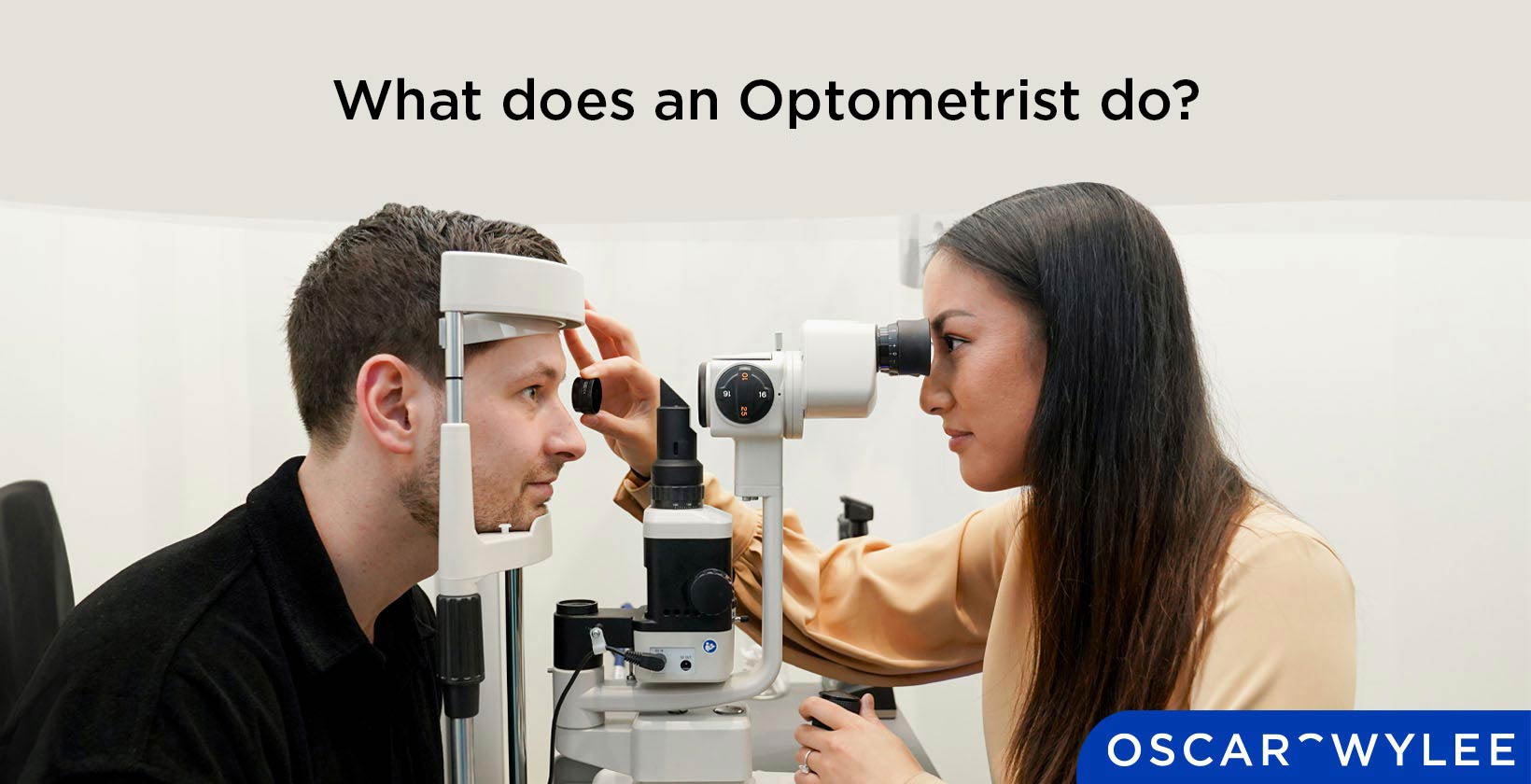
An optometrist is a healthcare professional who provides fundamental eye care services. Optometrists are trained to assess vision and prescribe glasses, as well as diagnose and treat a range of common eye conditions. Optometrists are university-qualified and must meet the provincial board requirements in their respective province or territory according to the Canadian Association of Optometrists. Keep reading to find out more about optometrists and how an optometrist can help with your eye care needs.
What Does an Optometrist Do?
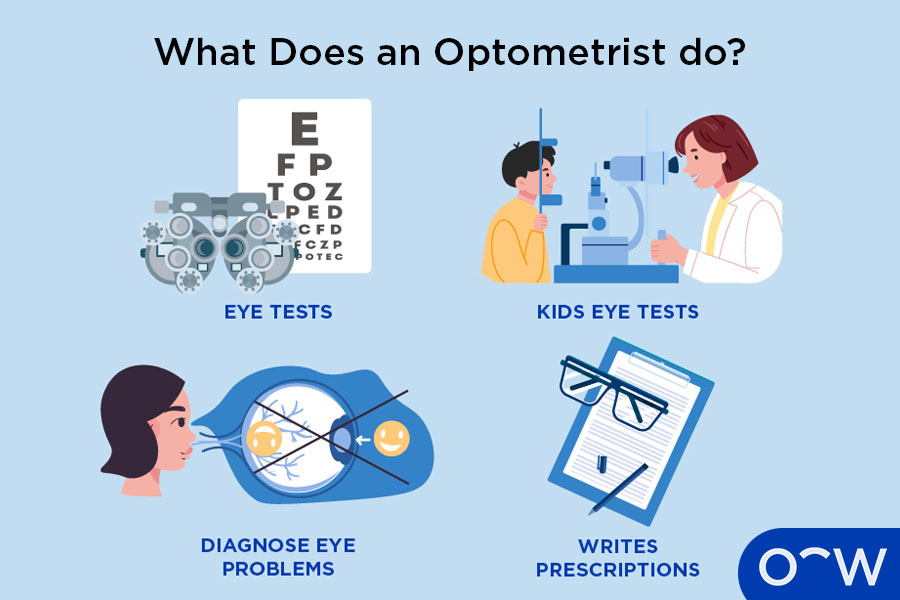
An optometrist is a primary vision care provider, meaning they are the first point of contact for a person’s eye and vision needs. Optometrists are dedicated to helping patients manage their eye health. If a person is experiencing any changes to their vision or has eye health concerns, an optometrist will help address these issues. Optometrists are trained to provide eye exams, kids' eye exams, diagnose eye problems and diseases and write prescriptions. The services an optometrist provides are listed below.
- Eye exams: Optometrists are trained to perform eye exams, which are procedures used to check a person’s eyes and their vision. Eye exams are extremely important in maintaining eye health as they can detect eye diseases and vision issues.
- Kids' eye exams: Kids' eye exams are performed by optometrists to examine a child’s vision and eye health. A children's eye exam is similar to an adult's, with minor adjustments to cater for their stage of development.
- Diagnose eye problems and diseases: Through various tests in a comprehensive eye exam, an optometrist can diagnose eye problems and diseases such as glaucoma, cataracts and issues with the cornea. Optometrists will also detect any refractive errors a person may have, such as hyperopia, myopia or astigmatism.
- Write prescriptions: Optometrists will write prescriptions for optical glasses to correct a person’s vision. If a patient has a refractive error, an optometrist will provide the prescription needed to give them clear and comfortable vision. Some optometrists also write prescriptions for eye drops.
What is Optometry?
Optometry is a healthcare profession wherein optometrists are the primary practitioners of the eye and visual system, according to the World Council of Optometry. The practice of optometry includes the provision of comprehensive eye and vision care, which encompasses refraction and dispensing, detection/diagnosis and management of eye disease, and the rehabilitation of eye conditions.
Are Optometrists Doctors?
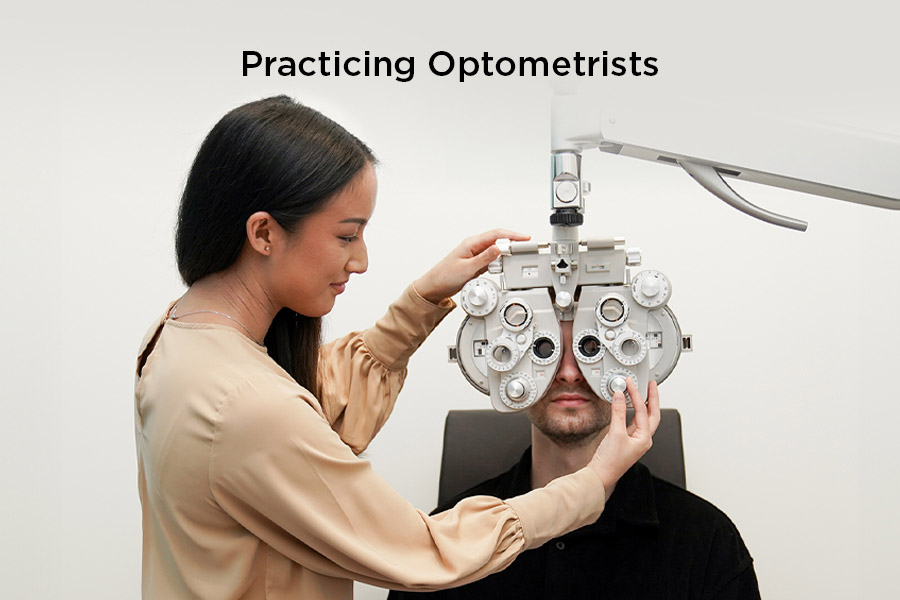
No, optometrists are not considered medical doctors. They are registered healthcare professionals who provide primary eye care, such as comprehensive eye exams. The difference between an optometrist and an eye doctor is their qualification and area of expertise. According to MyHealth Alberta, medical doctors have a degree in broader medicine, whereas healthcare professionals are those who have a degree in a specific health area. In the case of an optometrist, they will have a degree in optometry and the appropriate training. Some medical doctors specialise in eye care, and these professionals are called ophthalmologists. Optometrists perform eye exams, which include assessing a patient’s vision and looking at the eye structure, such as the iris and cornea.
Can an Optometrist Diagnose Eye Problems?
Yes, an optometrist can diagnose eye problems. It is one of their key roles, and they use various techniques to diagnose eye problems, mainly through eye exams. Tests such as visual acuity and refractive tests can reveal refractive errors that require management and correction through an accurate prescription, which an optometrist dispenses.
Do Optometrists Study Eye Health?
Yes, optometrists study eye health as their role is to assess the health of the eyes and detect eye diseases, as well as evaluate a patient’s vision. Optometrists study eye health in university to become qualified to practice as eye care professionals. An optometrist will have completed a Bachelor of Science degree or higher, followed by a four-year Doctor of Optometry degree from a recognised university’s school of optometry, according to the Canadian Association of Optometrists.
How does an Optometrist Analyze the Optic Disc?
An optometrist can perform a two-step optic disc exam. The first step of this exam is the examination of the optic nerve and nerve fibre layer, which can be done using a slit lamp. The second step of an optic disc exam is the documentation of the optic disc with a photograph or OCT scan.
Can an Optometrist Repair the Optic Nerve?
No, an optometrist cannot repair the optic nerve, as, according to Glaucoma.org, damage to the optic nerve is irreversible. The optic nerve cannot be repaired as the nerve fibres are unable to regenerate if damaged. If a person has issues with their optic nerve, they will need to be assessed by an ophthalmologist.
What is an Ophthalmologist?
An ophthalmologist, also known as an eye surgeon or eye doctor, is a medical doctor specialising in eye care. An ophthalmologist will assess and manage serious eye conditions like advanced glaucoma and perform surgeries, including cataract surgery and refractive surgery.
What Does an Ophthalmologist do?
An ophthalmologist is a medical eye care specialist who is trained in eye health and qualified to treat and manage complex eye diseases, perform eye surgery and treat eye injuries. Ophthalmologists will typically receive patients from referrals, either by optometrists or a General Practitioner. Ophthalmologists will then assess the patient and create a treatment plan. The services an ophthalmologist provides are listed below.
- Treat and manage complex eye diseases: The eye diseases an ophthalmologist can treat and manage include cataracts, glaucoma, diabetic retinopathy as well as irregular eye movements and corneal conditions.
- Perform eye surgery: An ophthalmologist is trained to perform eye surgery which includes cataract surgery, refractive or laser surgery, glaucoma surgery, reconstructive eye surgery and cancer removal.
- Treat eye injuries: An ophthalmologist can treat eye injuries to repair any damage that was caused. An ophthalmologist can remove foreign bodies from the eye if they are central or deep in the eye.

Does an Optometrist Examine the Fovea Through an Eye Exam?
In an eye exam, an optometrist will examine the macula, which the fovea is located inside of. The fovea is a small pit in the central portion of the macula, according to the National Library of Medicine. Eye exams that examine the macula include a retinal test, or ophthalmoscopy, which specifically checks for problems at the back of the eye.
What is the Difference Between an Optometrist and an Ophthalmologist?
The main difference between an ophthalmologist and an optometrist is the services they provide. An ophthalmologist, also known as an eye surgeon or ophthalmic surgeon, is a medical doctor who has completed additional training in eye care. In contrast, an optometrist is a healthcare professional who provides fundamental eye care services such as prescribing glasses and diagnosing and managing common eye problems. Ophthalmologists can also perform eye surgery to treat vision disorders. If an optometrist identifies an ocular disease or injury, they will typically refer their patient to an ophthalmologist for further treatment. In summary, the main difference between an ophthalmologist vs optometrist is the duties they are qualified to perform.
How to Choose an Eye Doctor?
There are two main types of eye doctors a person can choose from, an optometrist and an ophthalmologist; however, optometrists are not referred to as eye doctors and are not qualified as medical doctors. According to the National Eye Institute, there are different reasons a person may need to see an eye care professional, which are: they need general eye care, they have a serious eye condition, they need an eye prescription, or they need eye surgery. How to choose the right eye doctor for these reasons is listed below.
- General eye care: For general eye care, including a comprehensive eye exam or needing medicine prescribed, you should choose an optometrist. The main role of an optometrist is to provide eye exams to assess vision and eye health.
- Serious eye condition: If you have a serious eye condition or disease, you may be referred to an ophthalmologist, as optometrists are not qualified to deal with more complex eye problems.
- Eye prescription: People who need glasses will require an eye exam by an optometrist to receive an eye prescription. An eye prescription will be used to help correct a person’s vision with optical glasses.
- Eye surgery: When a patient requires eye surgery, this will be performed by an ophthalmologist, as they are trained medical doctors. Eye surgery includes cataract surgery and refractive surgery.
Do Optometrists do Surgery?
No, optometrists do not do surgery. This is the role of an Ophthalmologist who can perform a range of eye-related surgical procedures, such as cataract and glaucoma surgery. However, optometrists may be able to perform minor procedures like foreign body removals if there are foreign bodies in the eye causing irritation.
Does an Ophthalmologist Perform Surgery?
An ophthalmologist is an eye specialist who performs a range of medical and surgical procedures. Some of the eye surgeries an ophthalmologist performs include cataract surgery. Cataract surgery involves an ophthalmologist removing the patient’s cloudy lens and replacing it with a clear lens, helping to combat the symptoms of cataracts. They also provide refractive or laser surgery to correct refractive errors, which involves reshaping the cornea. Ophthalmologists can remove cancerous tumours in or around the eye. Finally, these eye doctors can perform glaucoma surgery, which may involve making an incision in the eye to relieve pressure and prevent optic nerve damage.
Are Optometrists and Ophthalmologists Both Eye Specialists?
An optometrist is not an eye specialist; however, they provide fundamental eye care services such as comprehensive eye exams, prescriptions for glasses and sometimes are able to prescribe medication for certain eye conditions. An ophthalmologist is a medical eye specialist who is qualified to treat and manage complex eye diseases and perform eye surgery.
How to Become an Optometrist?
To become an optometrist, a person must undertake thorough education, training and practical work. The steps to become an optometrist include completing an undergraduate degree, a university program in Optometry, and ensuring they satisfy the Provincial Board requirements, according to the Canadian Association of Optometrists. The steps to becoming an optometrist in Canada are listed below.
- Undergraduate degree: A minimum of three years of undergraduate education, preferably in the sciences.
- University Program in Optometry: A four or five-year University program in optometry should be undertaken and accredited by the Accreditation Council on Optometric Education. Some optometrists may choose to do an additional year of residency training upon completion of their Doctor of Optometry degree.
- Ensuring Provincial Board Requirements are Met: Upon completion of the course in optometry, the graduate is required to satisfy the provincial board.
What is an Optometrist's Scope of Practice?
The scope of practice of an optometrist includes performing general eye care services such as comprehensive eye exams, diagnosing and treating common eye problems, providing prescriptions and prescribing medications. Areas outside their scope of practice include dealing with complex or advanced eye diseases such as age-related macular degeneration and performing eye surgery, which is done by an ophthalmologist.
Does an Optometrist Have a License?
Yes, a Canadian Optometrist has to have a license. According to the Canadian Information Centre for International Credentials, provincial or territorial regulatory authorities are responsible for assessing your qualifications and issuing a licence to practise. As part of the process for obtaining a licence to practise, candidates must also pass the Canadian Assessment of Competence in Optometry (CACO), administered by the Canadian Examiners in Optometry (CEO). This exam can only be completed if you are physically in Canada at the time.
Can Optometrists Prescribe Contact Lenses?
Yes, an optometrist provides contact lens prescriptions, which are achieved through an eye exam to determine the power needed to correct the refractive errors present. They also offer contact lens fittings and will be able to provide any information or answer questions you have about contacts. When choosing contact lenses, you will need to discuss your options with an optometrist who can provide advice on what contacts may be best for your prescription and lifestyle.
At Oscar Wylee, we do not provide contact lens prescriptions or contact lenses.
How to Become an Ophthalmologist?
An ophthalmologist (often referred to as an ophthalmic surgeon, eye surgeon, or eye specialist) is a medical doctor who specialises in eye care. This means they can provide advanced visual care that your optometrist cannot. This includes assessing and managing serious eye conditions like advanced glaucoma and performing surgeries.
Oscar Wylee does not provide ophthalmology services. If you think you may need to see an ophthalmologist, speak to your GP or see an optometrist for further advice. Oscar Wylee has in-store optometrists available to help with your eye care needs. Find one of our stores and come in and see us for more information. Read on to see how to become an ophthalmologist according to Job Bank Canada.
- Bachelor’s Degree: A Bachelor's degree or in Quebec, completion of a college program and one year of pre-medicine university studies is usually required.
- Medical School: Graduation from an approved medical school and specific specialty training are required.
- Certifications: You must get certifications from the Royal College of Physicians and Surgeons of Canada and licensing by the provincial or territorial licensing authority are required.
- Speciality residency training: You must complete five to six years of specialty residency training.
- Subspecialty training: Subspeciality training for two years may also be required.
What are the Advantages of an Ophthalmologist Over an Optometrist?
There are no specific advantages of an ophthalmologist over an optometrist as they are different professions that perform different services. A person will see an optometrist for all their primary eye care needs, such as for an eye exam or prescription glasses. An ophthalmologist deals with more advanced and complex eye issues and is also qualified to perform eye surgery.
What are the Limitations of an Ophthalmologist?
There are no real limitations of an ophthalmologist, these eye care specialists are qualified to treat complex eye diseases and perform eye surgery. Some of the disadvantages include expensive education and equipment, however, it is a well-respected profession within the eye health field.
What are the Different Eye Examinations Done by Optometrists?
The different types of eye exams and exams performed by optometrists include a tonometry test, visual acuity test, refraction test, retinal photography, slit lamp test, colour vision test and examination of eye movements. During an eye exam, you can expect your optometrist to take a comprehensive medical history to figure out what they should be looking out for. They may ask you questions about your family history, past and present medical issues, medications you might be on, injuries, and other factors. It is important to be as thorough as possible with your answers to ensure that the test covers all likely possibilities. A comprehensive eye exam will vary slightly for each individual, depending on your age or specific conditions. The tests performed by an optometrist and their definitions are listed below.
- Tonometry test: A tonometry test, is used to measure the pressure in the eyes and can help with the diagnosis of some ocular diseases including glaucoma. This test is done as part of pre-testing and may be performed by an optometrist or optical assistant.
- Visual acuity test: A visual acuity test measures the sharpness and clarity of a person’s vision and is performed by an optometrist using a Snellen Chart. A person’s visual acuity is represented by a fraction such as 20/20.
- Refraction test: A refraction test is used to determine a patient's prescription for eyeglasses if required. A prescription is used to correct vision problems caused by refractive errors such as myopia, hyperopia, presbyopia and astigmatism.
- Retinal photography: An optometrist may use high-resolution digital cameras to take images of the back of your eye to look at changes over time and find out the state of your retina, which is known as retinal photography.
- Slit lamp test: A slit lamp test examines the structure of a patient’s eye under high magnification. This is used to detect a wide range of eye conditions and diseases such as cataracts, macular degeneration, corneal ulcers and diabetic retinopathy.
- Colour vision test: A colour vision test is used to check a person’s colour vision to detect colour blindness or colour vision deficiency. Tests to diagnose colour vision deficiency include a colour hue test and a colour plate test.
- Eye movements: An optometrist will examine a patient’s eye movements to determine how well their eyes work as a team when following a moving object and focusing on various targets.
When Should You See an Optometrist?
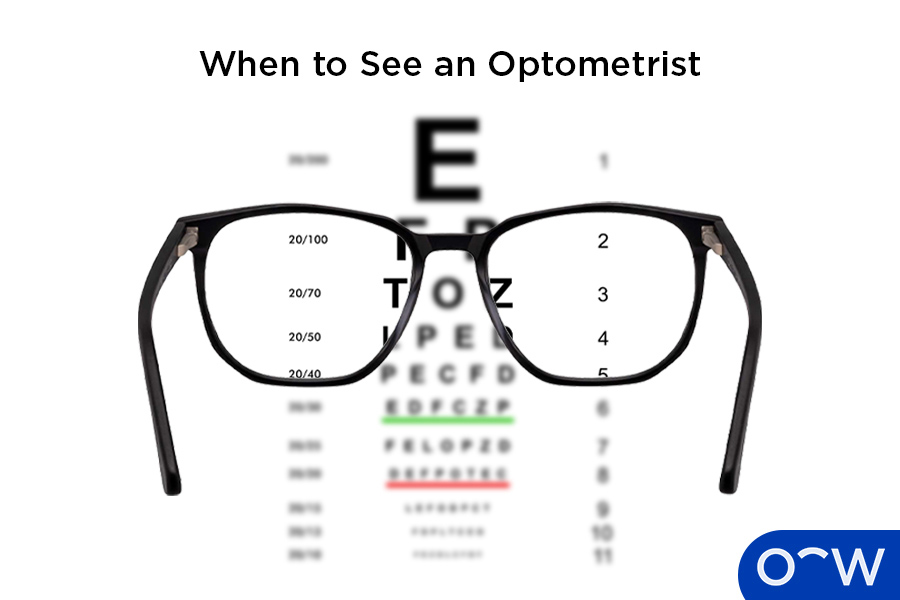
There are many different reasons why you should see an optometrist, which include if you have noticed any changes to your eyesight, whether it be blurry vision, eye strain, trouble reading small print or seeing far away objects, you should come in and see your optometrist for an eye exam. An optometrist should be able to diagnose your vision issue and help treat it. A routine eye exam is important for detecting health conditions that may affect the eye, such as high blood pressure and diabetes. And finally, an eye exam is a good way to see where your overall health and well-being is at. At Oscar Wylee, we recommend everyone should see an optometrist for an eye exam at least once every two years and if you are 65 years and older, a yearly review is advised.
How to Find an Optometrist in Canada?
It is very easy to find an optometrist in Canada as there are many practising optometrists across the country who provide eye care services. At Oscar Wylee, you can find an optometrist near you on our locations page which lists each store. We have stores in Alberta, British Columbia, New Brunswick, Nova Scotia, Ontario and Quebec.
When Should You See an Ophthalmologist?
An ophthalmologist is seen through a referral from an optometrist or General Practitioner. A patient will be referred to an ophthalmologist if they have advanced or complex eye or vision problems. According to HealthDirect, a patient may also be referred to an ophthalmologist if they have partial or complete vision loss, eye injuries, pain or inflammation.
Does an Optometrist Collaborate with an Ophthalmologist?
Yes, optometrists and ophthalmologists collaborate which may be in the same practice or through co-management of patients. An optometrist will refer patients to an ophthalmologist for more advanced care and patients may also be sent to an optometrist after being discharged from the care of an ophthalmologist for follow-up care.
What are the Differences Between an Optometrist and an Optician?
There are differences between an optometrist and an optician. An Optometrist is an independent primary health care provider specialising in the examination, diagnosis, treatment, management and prevention of disease and disorders in the eye according to the Canadian Association of Optometrists. An Optician is a licensed vision care professional who helps people achieve optimal vision by providing and fitting glasses, contact lenses, and prosthetic ocular devices according to The Opticians Association of Canada.
Read What is an Optometrist? in other Oscar Wylee regions and their languages.
Canada